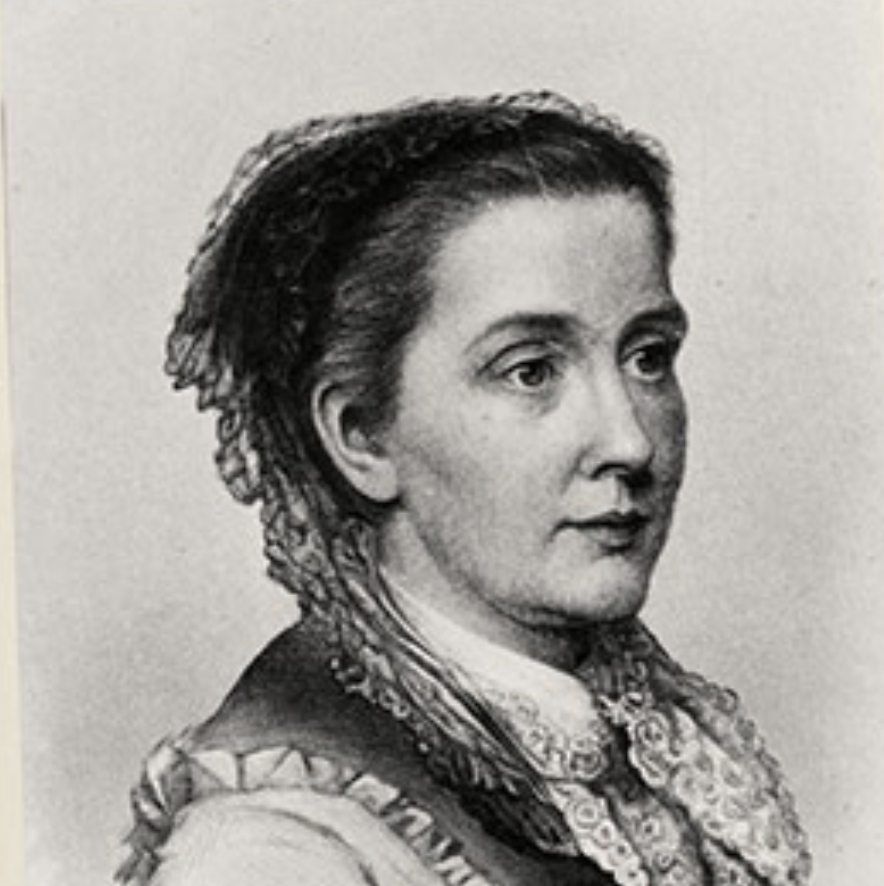
Julia Howe Ward, an author, abolitionist, and social activist shares with her readers of the travelogue A trip to Cuba her experiences throughout the time she visited the country. Married to Samuel Gridley Howe, the mother of six children reports her discoveries along the way.
The big journey of the author and her crew starts off in Nassau, in the Bahamas. From where they will then be transported to Cuba. She describes it as being “dragged along like a miserable thread pulled through the eye of an everlasting needle” (p.2)
In the fourth and fifth chapters of the travelogue, the author gets her first impressions of Cuba. She then portrays Latin Americans as a completely different breed of people. She sees them as uncivilized and undisciplined people. Upon arrival, she already makes racist statements. “As soon as we dropped anchor, a swarm of dark creatures came on board with gloomy brows, mulish noses, and suspicious eyes. This application of Spanish flies proves irritating to the good-natured Captain, and uncomfortable to all of us” (p.30). In this passage, the author compares Latin Americans as “creatures” and “flies”, which is quite disrespectful. There’s a hierarchy of power in favor of white people. Blacks are often referred as “negros” and used to serve without any concrete rights of values ties to their persons.
The Transatlantic Slave Trade of the early 1700s is an explanation for such a hierarchical power. Since then, black people have always been seen as servants. Later, in the history of Cuba, the Cuban Revolution has encouraged segregation between races.
This travelogue reveals the personal prejudices, thoughts, and judgments of foreign countries, upon the 19thcentury Latin America as well as the collaboration between them on different levels.
Source:
Howe, Julia Ward. A Trip to Cuba. Boston: Ticknor, 1860.

This work is licensed under a Creative Commons Attribution-NonCommercial-ShareAlike 4.0 International License.